CSHL Assembloids & Complex Cell-Cell Interactions across Tissues & Organs
Date & Time
Location
Tags
This conference focuses on the latest advances in assembloid systems and complex multicellular models. Researchers will present how 3D models are used to study tissue homeostasis, inter-organ communication, and technological innovations that reveal physiological, pathological, and evolutionary insights.
The program spans multiple organ systems as well as embryo and multi-organ assembloids. Together, these sessions highlight how assembloids are transforming disease modeling, regeneration studies, and the investigation of complex cell–cell interactions across tissues.
CSHL meetings are also known for their excellent networking environment, offering plenty of opportunities for discussion and collaboration in a focused, interactive setting.
We are excited to be part of this conference: visit our booth, find us at our poster, and join our workshop to see how HD-MEA functional readouts can deepen your assembloid research and help unravel network dynamics and cross-tissue interactions.
.avif)
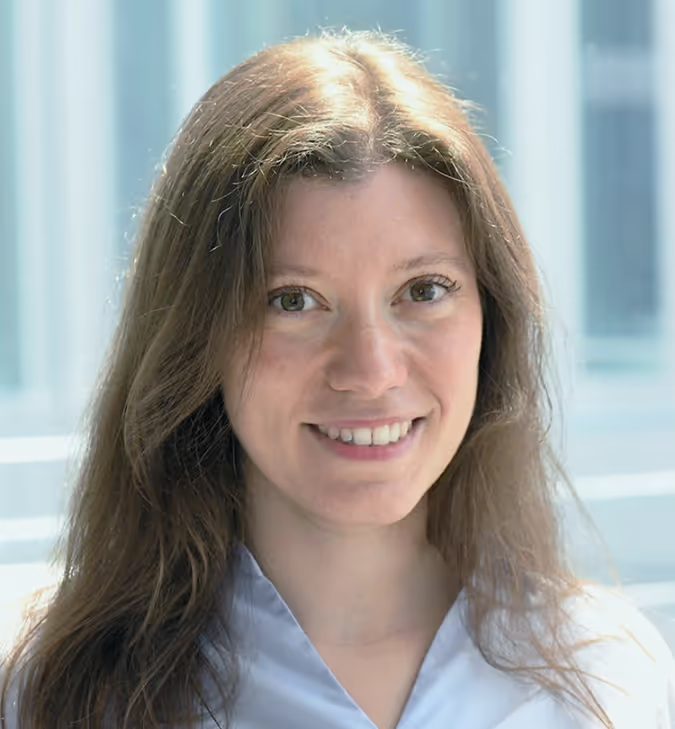
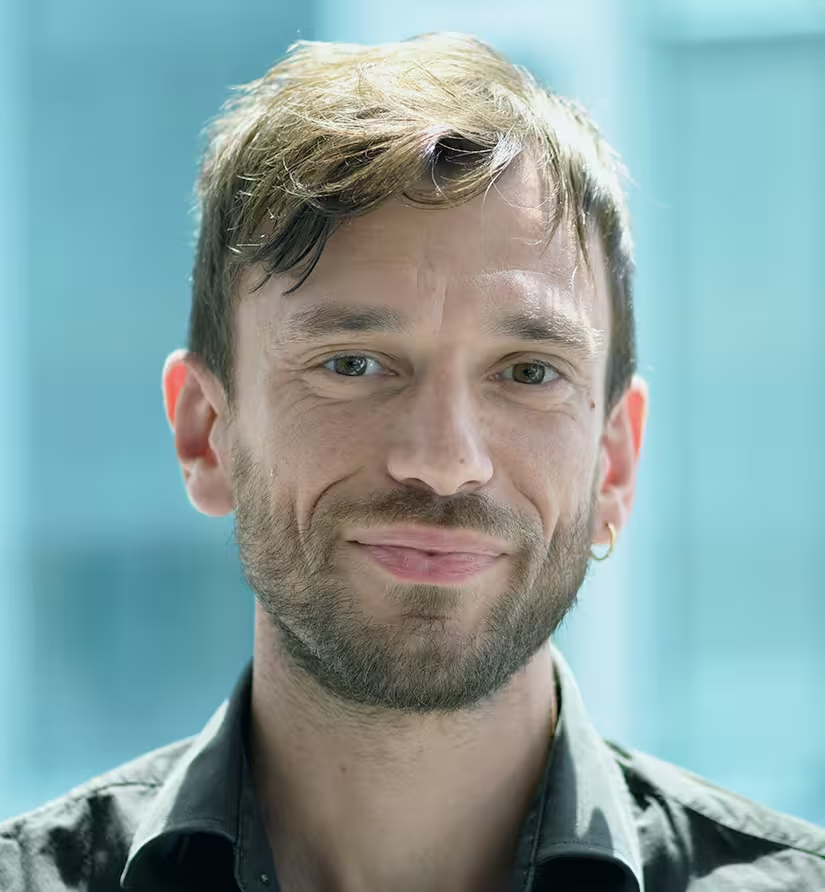
Meet the MxW Team

MxW Booth
Visit us at our booth! You will find us in the lobby.
Come say hi, and see what's new! Our team of experts is available to discuss how MaxWell Biosystems' HD-MEA Technology can support your assembloid research.