Human Epilepsy Network Dynamics and Optogenetic Neuromodulation

Register
Register
Date & Time

March 13, 2025 | 16:00 CET
08:00 PDT | 11:00 EDT | 23:00 CST | 00:00 JST

Tags
Disease Modeling
Brain Slices
Organoids

Webinar Hightlights

Register
Register

The webinar covered

  • Human hippocampal tissue slices as a powerful model for studying epileptiform activity
  • AAV-mediated optogenetic inhibition of glutamatergic neurons as a strategy to reduce epileptiform activity in human brain networks
  • HD-MEA and optogenetics for precise evaluation of network activity in human brain tissue

Register
Register

Agenda

Multimodal evaluation of network activity and optogenetic interventions in human hippocampal slices

Dr. John Andrews, Dr. Jinghui Geng, Dr. Kateryna Voitiuk

Abstract

Seizures are made up of the coordinated activity of networks of neurons, suggesting that control of neurons in the pathologic circuits of epilepsy could allow for control of the disease. Optogenetics has been effective at stopping seizure-like activity in non-human disease models by increasing inhibitory tone or decreasing excitation, although this effect has not been shown in human brain tissue. Many of the genetic means for achieving channelrhodopsin expression in non-human models are not possible in humans, and vector-mediated methods are susceptible to species-specific tropism that may affect translational potential. Here we demonstrate adeno-associated virus–mediated, optogenetic reductions in network firing rates of human hippocampal slices recorded on high-density microelectrode arrays under several hyperactivity-provoking conditions. This platform can serve to bridge the gap between human and animal studies by exploring genetic interventions on network activity in human brain tissue.

Abstract

Speakers
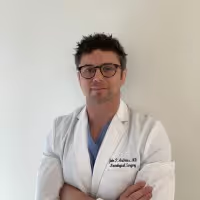
Dr. John Andrews

University of California San Francisco (USA)

Biography

John Andrews, MD is a neurosurgery resident with an interest in epilepsy, brain tumors and pediatric neurosurgery. His basic science background includes optogenetics in human brain slice models of epilepsy, as well as single neuron, whole-cell patch clamping to describe mechanisms of impaired consciousness. He has also used experience with electrophysiology to basic mechanisms of seizure physiology and how circuits can be manipulated to interrupt pathologic seizure-like activity. Mentors at UCSF include Dr. Edward Chang, Dr. Mitchel Berger, and Tomasz Nowakowski.

Abstract

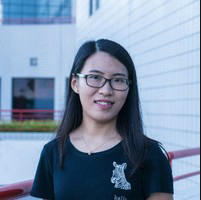
Dr. Jinghui Geng

University of California San Francisco (USA)

Biography

Jinghui Geng (Sury), Ph.D. is a post-doctoral researcher in Electrical and Computer Engineering with Professor Mircea Teodorescu as part of the Braingeneers group. Her research focuses on developing electrophysiology data pipelines and open-source tools, integrating cloud computing for large-scale data. She has expertise in spike sorting, single-unit activity, local field potential, and functional neural network modeling. 

Abstract

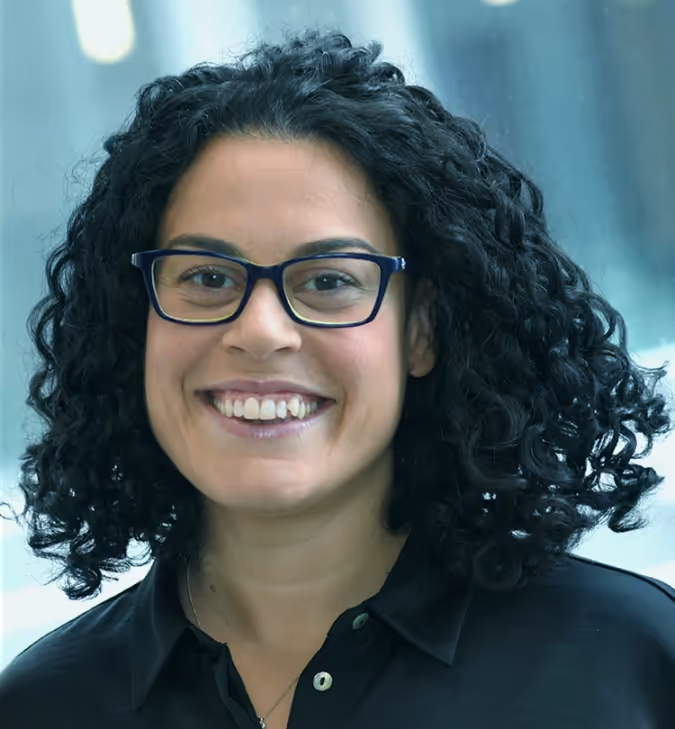
Dr. Kateryna Voitiuk

University of California San Francisco (USA)

Biography

Kateryna Voitiuk (Kate), Ph.D. is a post-doctoral researcher in Electrical and Computer Engineering with Professor Mircea Teodorescu part of the Braingeneers group. Kate engineers hardware and software for laboratory automation to study neural activity in 3D stem-cell-derived organoids.

Abstract

Hosts

Dr. Laura D'Ignazio

Head of Commercial Excellence and Engagement | MaxWell Biosystems (Switzerland)

Sign Up for the Updates

Register

You can unsubscribe from marketing emails at any time. For details, see our Privacy Policy.

Submit
Thank you! Your submission has been received!
Oops! Something went wrong while submitting the form.
MaxWell