Closed-loop training of organoids to balance a Cartpole (Inverted Pendulum)
%2520Li.avif)
Author
Date
Tags
Goal-directed learning in cortical organoids
UC Santa Cruz researchers frame organoids as a controllable model to study how neural circuits adapt: insight that could ultimately inform research into neurological conditions.
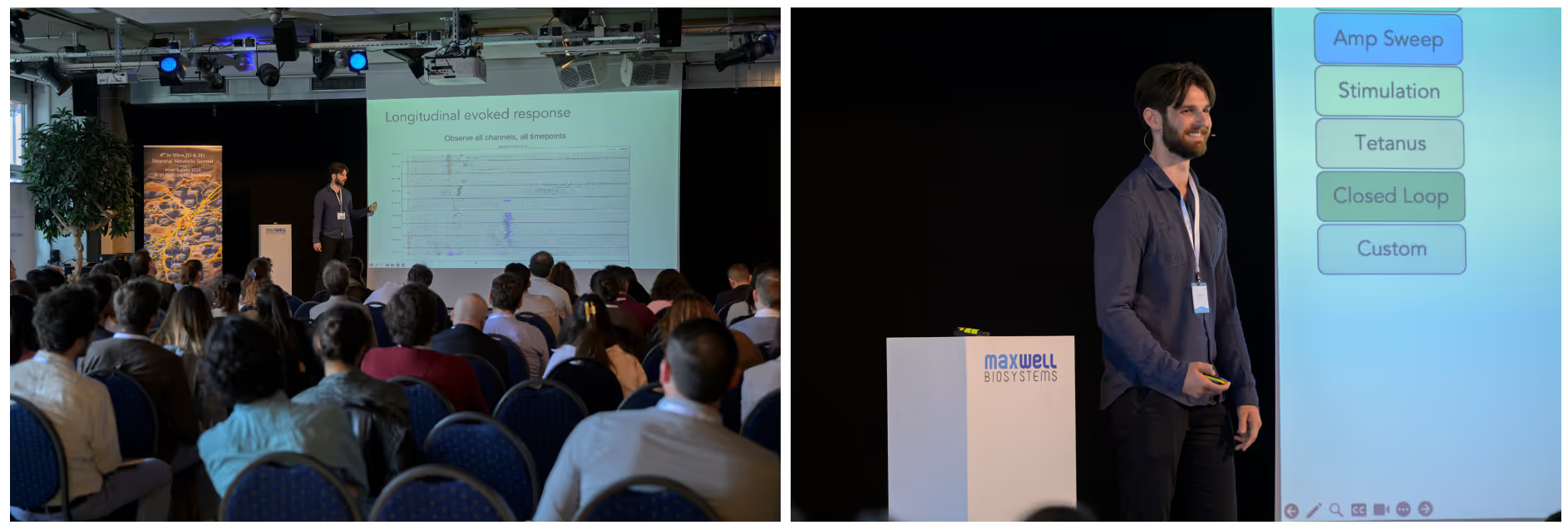
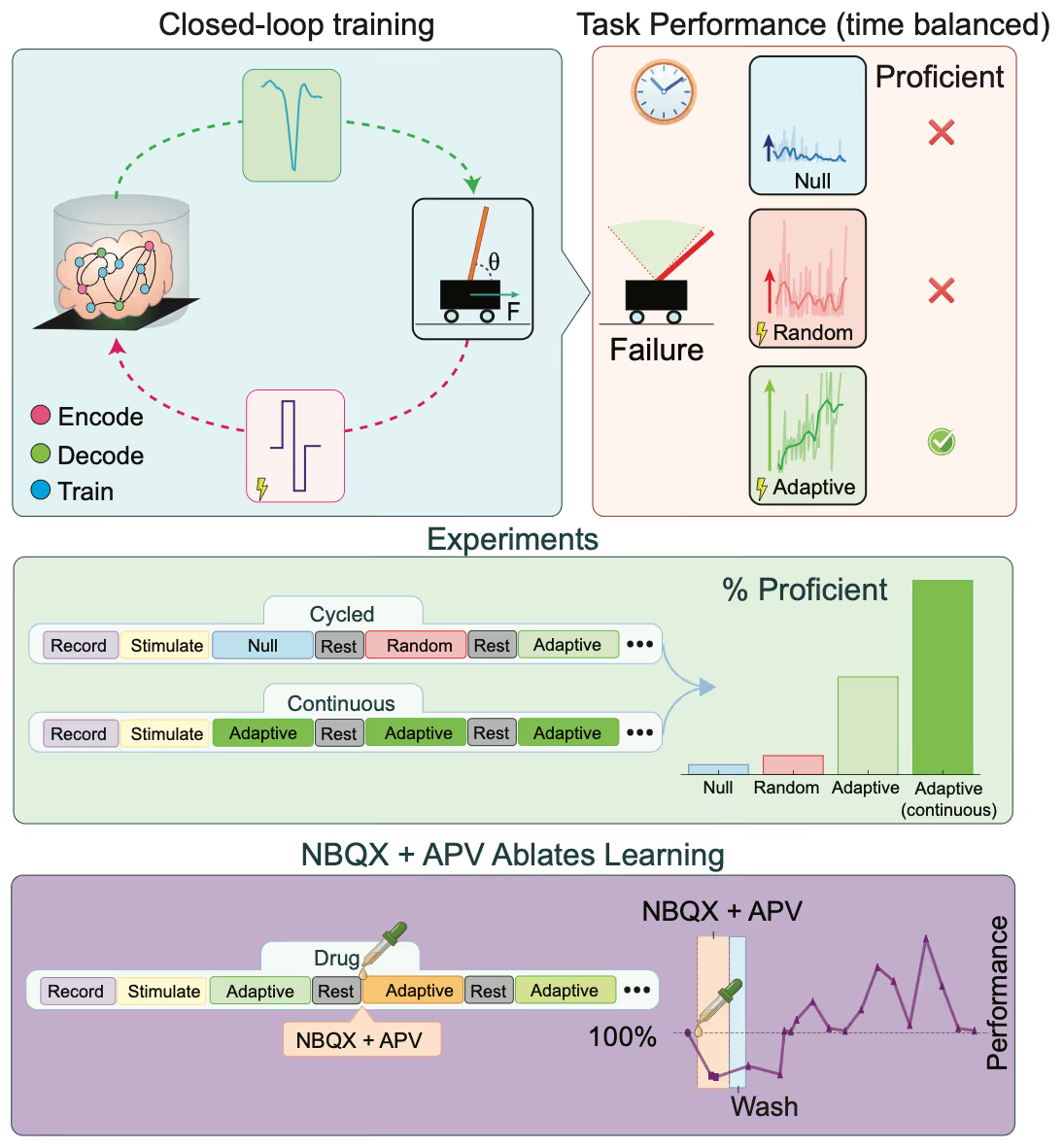
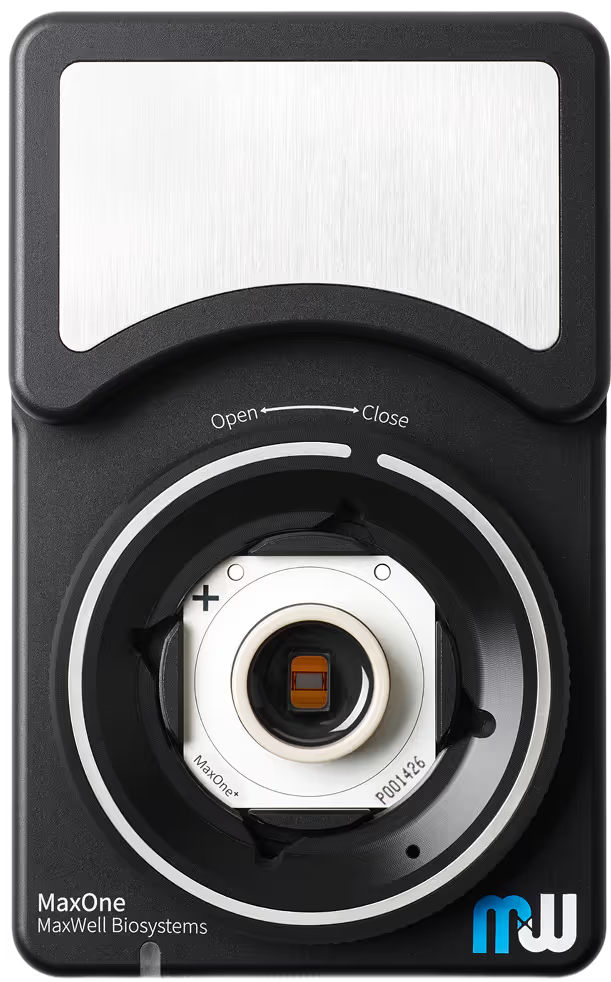
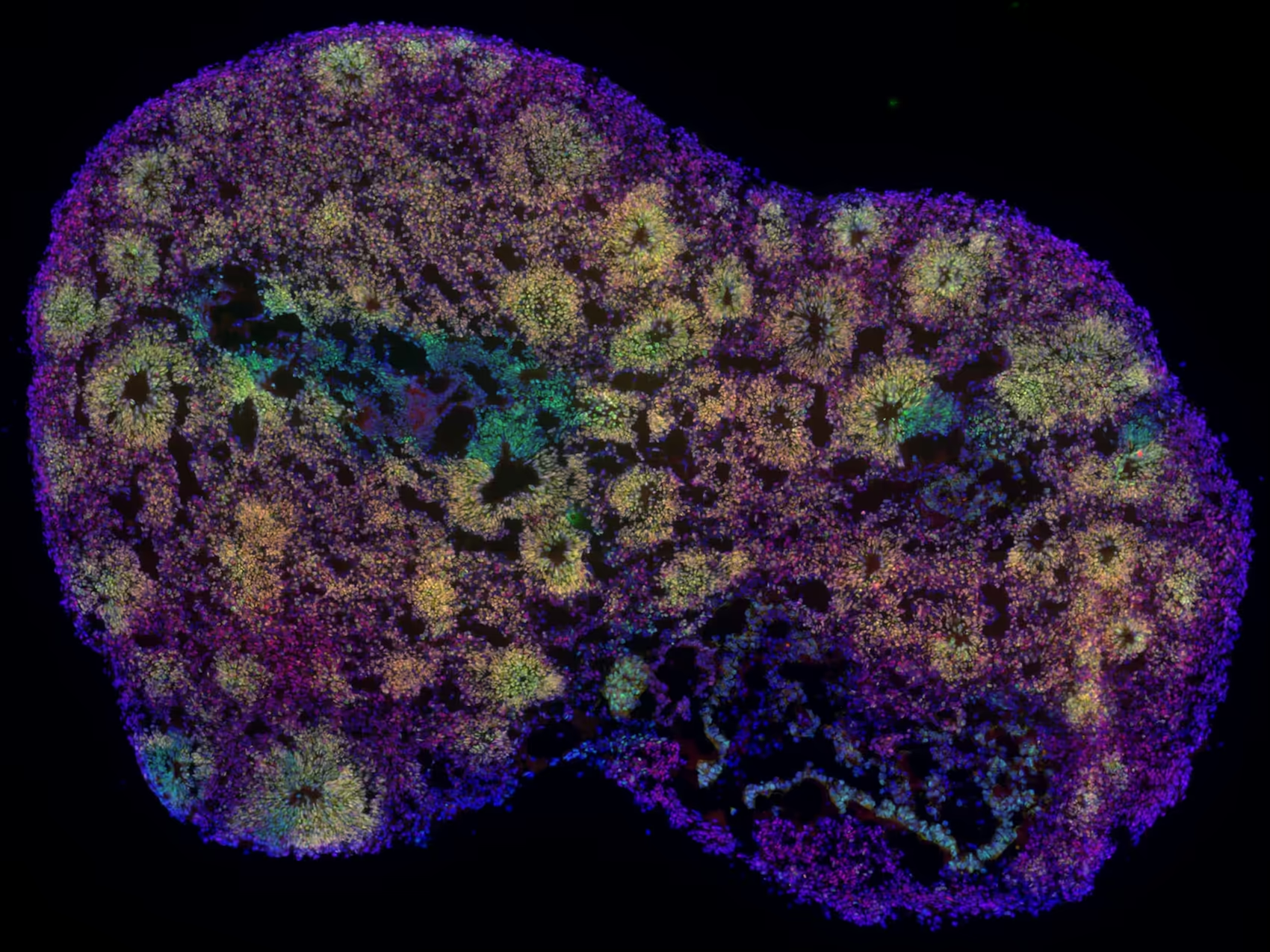
The recent publication by Ash Robbins and colleagues at the University of California Santa Cruz demonstrated that cortical organoids could learn to improve their performance in a cartpole (inverted pendulum) balancing task. Organoids were plated to grow continuously on MaxWell Biosystems’ MaxOne Single-Well High-Density Microelectrode Array (HD-MEA) chips, where neurons can be flexibly recorded and stimulated with high spatial-temporal resolution. The firing activity of individual neurons within the organoid encodes the positions of the pole and synpatically connected ones acts to balance it.
Adaptative learning (top) through the closed-loop electrical stimulation of targeted neurons improved the performance of organoids in balancing the cartpole. On the other hand, neither random (middle) nor null (bottom) stimulation yielded any improvement in performance. In addition, the Robbins and colleagues (2026) demonstrated that this observed short-term learning in organoids is dependent on glutamatergic transmission. Pharmacological blockade of glutamatergic transmission in organoids prevented any improvements in performance.
Aside from this scientific publication, Ash – the recently named Forbes 30 under 30 in 2025 for Healthcare, co-founded the Immergo Labs and am leveraging reinforcement learning in a virtual environment for physical rehabilitation.
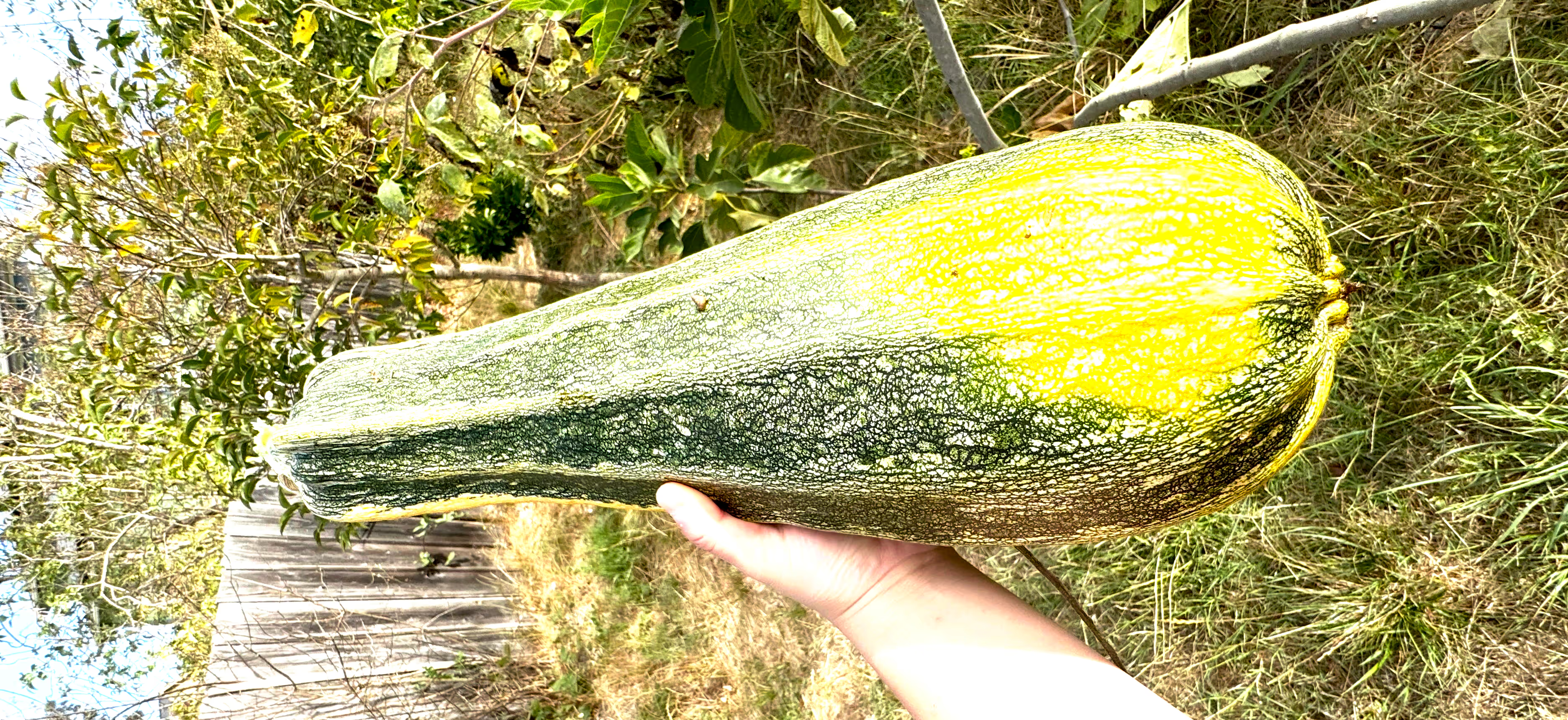
Mircea – a skillful and resourceful gardener outside of the lab, is iterating his little patch of land outside of his home. Check out this other impressive fruit of his labor.
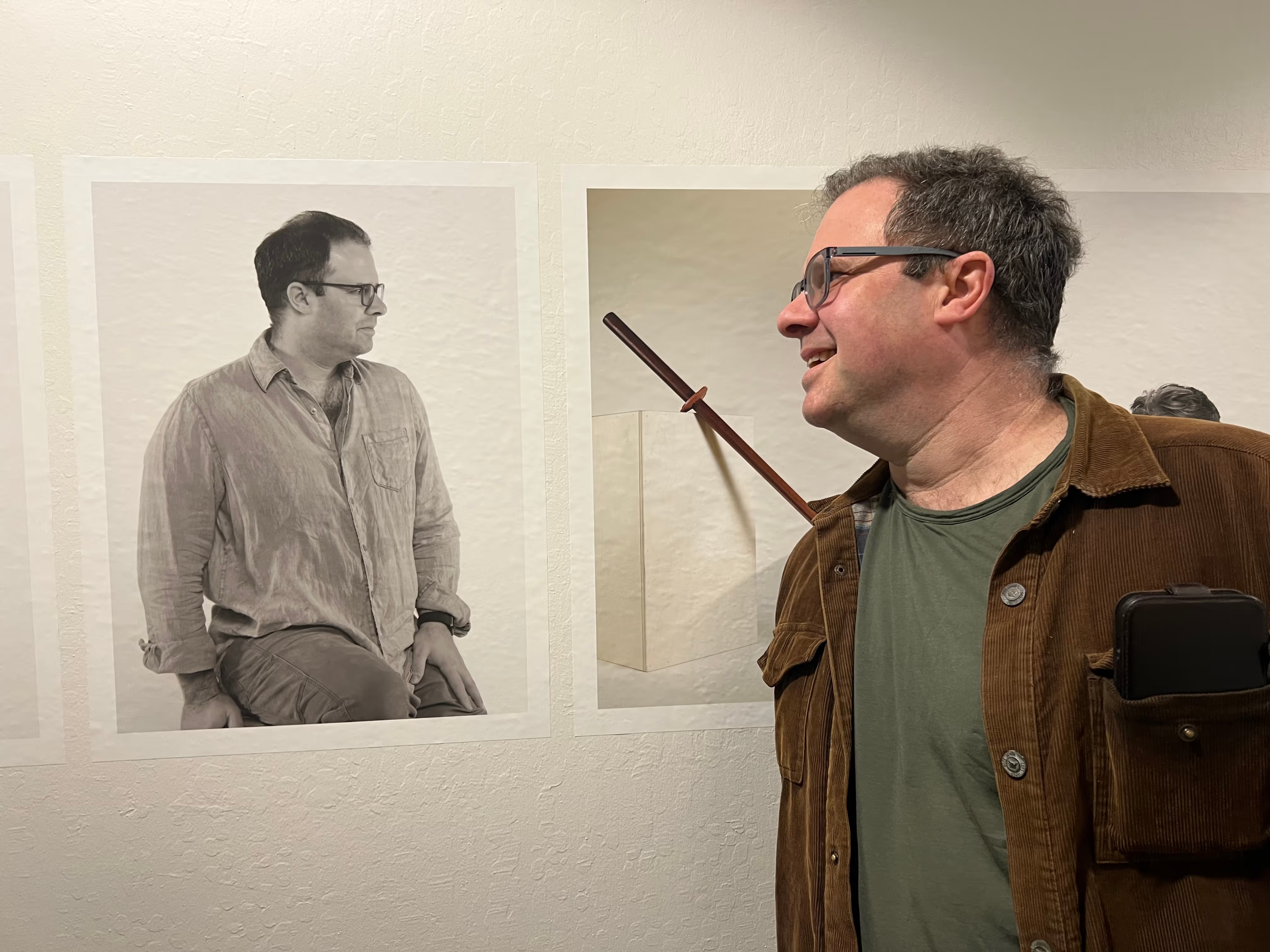
Prof. Mircea Teodorescu
"The cart-pole task required us to move beyond simply observing neural activity to actively interacting with it as a dynamic, adaptive system. Using MaxWell’s HD-MEA platform, we were able to monitor hundreds of neurons simultaneously and deliver precisely controlled feedback in real time, effectively closing the loop between biological computation and external input. That level of control was essential for demonstrating goal-directed learning in organoids.”
Related: UC Santa Cruz press release
Read the UC Santa Cruz press release “Brain organoids can be trained to solve a goal-directed task” for the institute’s perspective and broader context.
Related
Resources
MaxOne
Versatility and functionality in one compact device
MaxLab Live
All-in-one Software
Our Technology
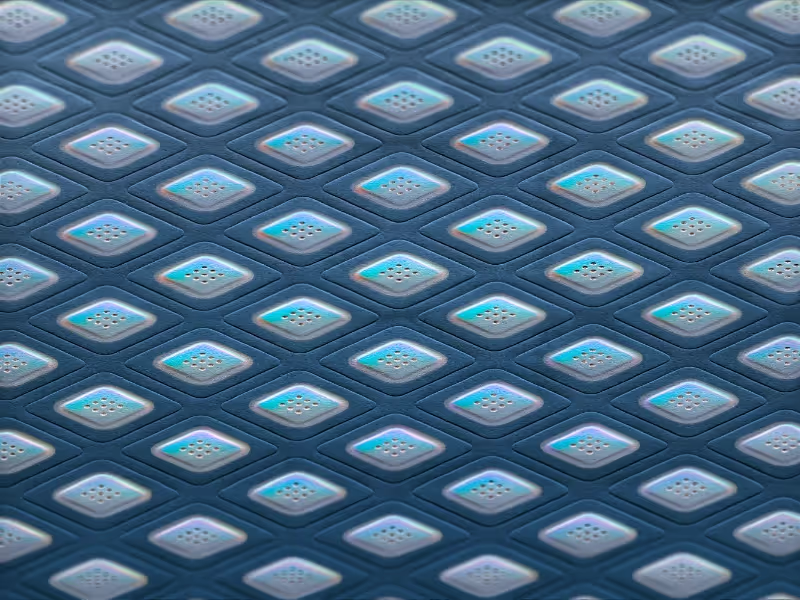
Multi-/Micro-electrode Arrays
Biocomputing

Organoids
Goal-directed learning in cortical organoids