Automation, practical guides and upcoming events
In 2026, we deepen our commitment to empowering researchers and industrial partners to generate reproducible, scalable, and decision-ready data. By advancing our technology and sharing know-how, we will keep driving meaningful progress from discovery to application.
We launched the MaxTwo 24-Well Plate+ with parallel readout. It lets you run more experiments without hurting data quality. We are also expanding the MaxTwo System, being compatible with the upcoming 96-Well Plate and integration into semi- and fully automated labs. This supports faster, more consistent workflows.
Beyond technology, we are building the knowledge ecosystem around it. From our talks with the community, we identified two hot topics: Disease Modeling and Neurocomputing. New content streams will share practical tools, expert views, and reproducible methods you can apply right away.
This focus is especially timely. Japan has conditionally endorsed the world’s first iPSC-derived therapies for severe heart failure and Parkinson’s disease. It is a major step toward turning two decades of stem cell research into clinical reality. It also shows how strong functional models can lead to patient impact.
To make knowledge easier to find, we brought our publications, Knowledge Hub, and training into one MaxWell Resource Center. This helps you move from question to execution faster.
And of course, science moves through connection, we look forward to engaging with many of you at upcoming events, including the HNS Symposium.
Scroll down to explore the latest publications from our community and stay until the end. Mori makes a special appearance.
Automation Solutions
Drug discovery and translational research need higher throughput and standardized workflows. As labs adopt automation, the tools must scale as well.
MaxTwo System supports multi-well formats, from 6 and 24 wells to the upcoming 96-well plate, expanding capacity for larger study designs. All MaxTwo plate formats enable simultaneous recording and stimulation across every well.
MaxTwo also integrates into automated lab environments with API access and powerful data handling. These capabilities help teams streamline automated workflows and generate reproducible functional readouts with confidence.
Our 2026: Turning Complex Neuroscience Into Reproducible Actions
This year, we are launching two dedicated content streams based on what you told us are most interesting:
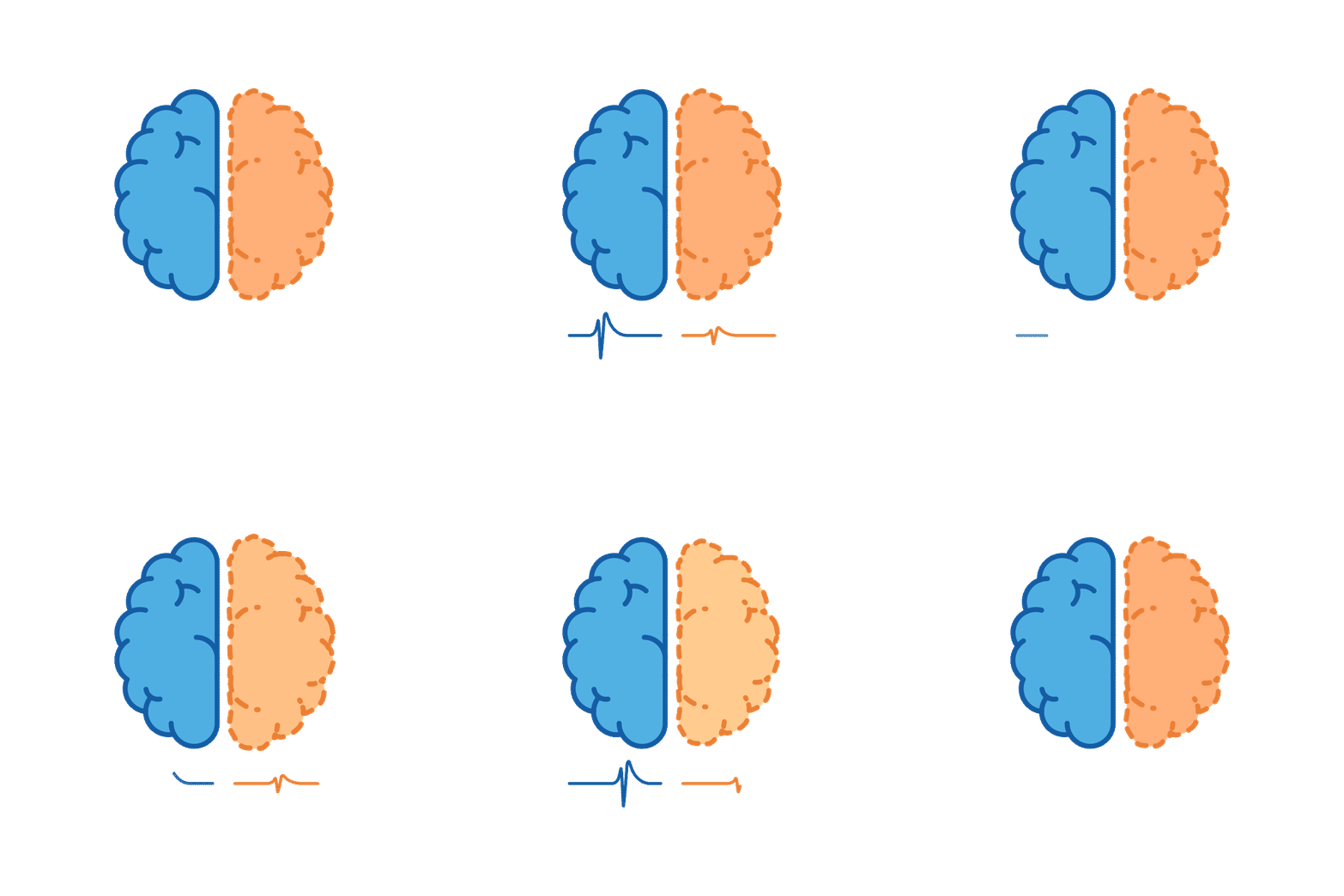
Disease Modeling: as patient-derived iPSCs and organoids become more advanced, the need for robust functional phenotyping keeps growing. We will share validated protocols and expert guidance to help you turn biological relevance into data you can trust.
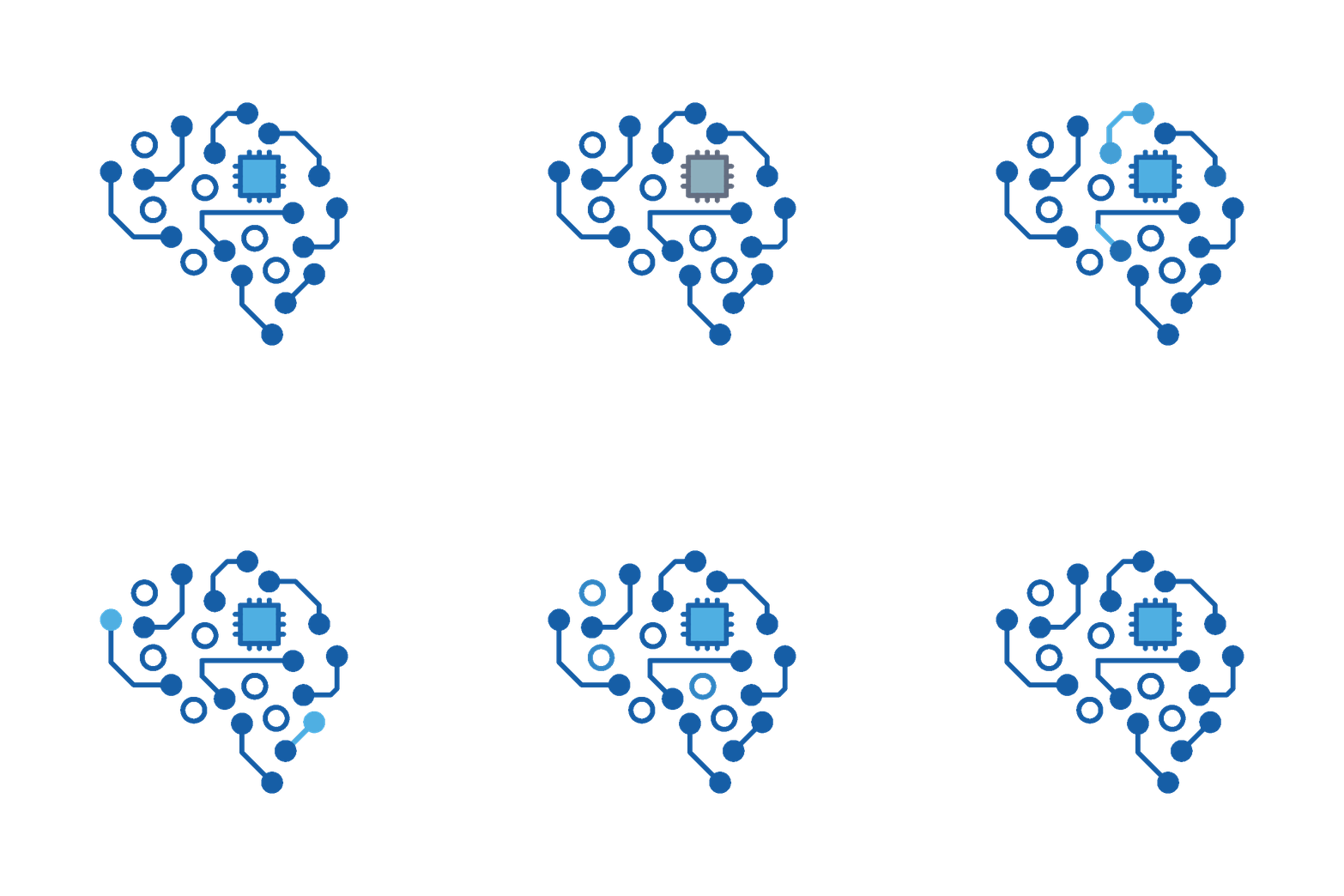
Neurocomputing: as closed-loop experimentation moves from proof-of-concept to real use, teams need clear guidance on parameters and stimulation protocols. We will provide practical workflow examples, tutorials, and expert insights to help you design and run your own neurocomputing experiments.
Your MaxWell Resource Center
Whether you are exploring HD-MEA for the first time or expanding your expertise, our Research and Learning Center brings the essentials in one place:
- 250+ peer-reviewed Publications using our technology
- step-by-step protocols, video tutorials, and application notes in the Knowledge Hub
- short and focused training modules, from setup to analyzed data, in the Training Library
Looking for a broader view? Visit Insights & Perspectives for the science shaping the field today. Find user stories, interviews, highlights, and educational content across brain research, disease modeling, drug discovery, neurocomputing, and more.
HNS Symposium 2026
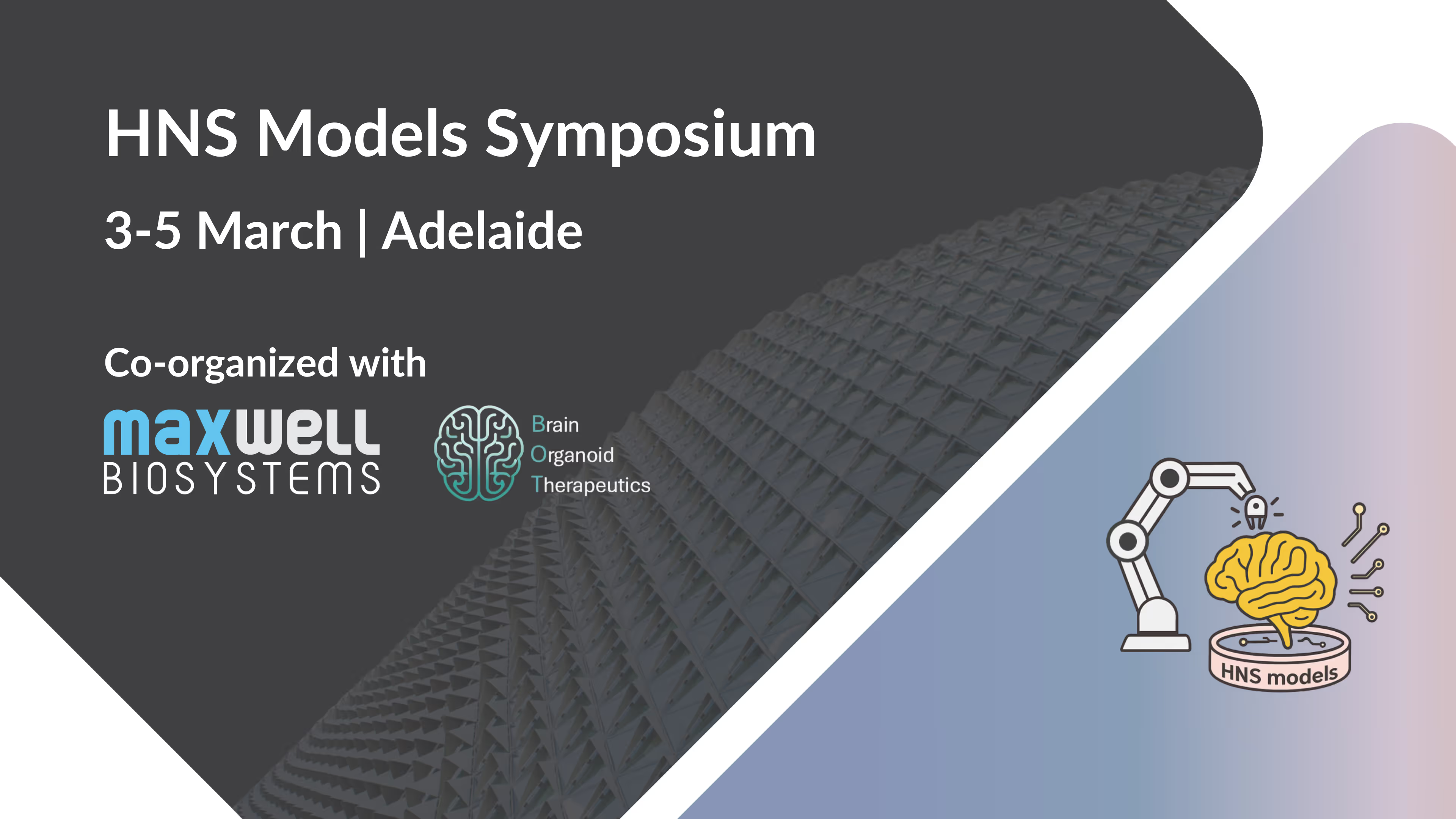
Next week (March 3–5), the neuroscience community gathers in Adelaide for the Human Nervous System Models to Accelerate Clinical Translation symposium.
If you work in brain development, disease modeling, or translational research, this is worth following. We will explore how the brain builds itself, how ageing and cellular stress reshape networks, what drives dysfunction across cells and circuits, and how to move discoveries toward the clinic.
We are proud to co-organize this meeting with Prof. Cedric Bardy. The first two days will feature curated talks from distinguished speakers, plus selected presentations from early- and mid-career researchers, posters, and forward-looking panel discussions. Day three will shift to practice with hands-on workshops covering brain organoids, 3D bioprinting, and drug screening workflows. As part of this program, MaxWell Biosystems will host a practical workshop focused on:
- Generating robust functional data from brain organoids
- Assessing functional properties across samples
- Acquiring reliable, high-quality electrophysiological readouts using HD-MEA technology
We look forward to seeing many of you in Adelaide.
MaxWellers on the Road
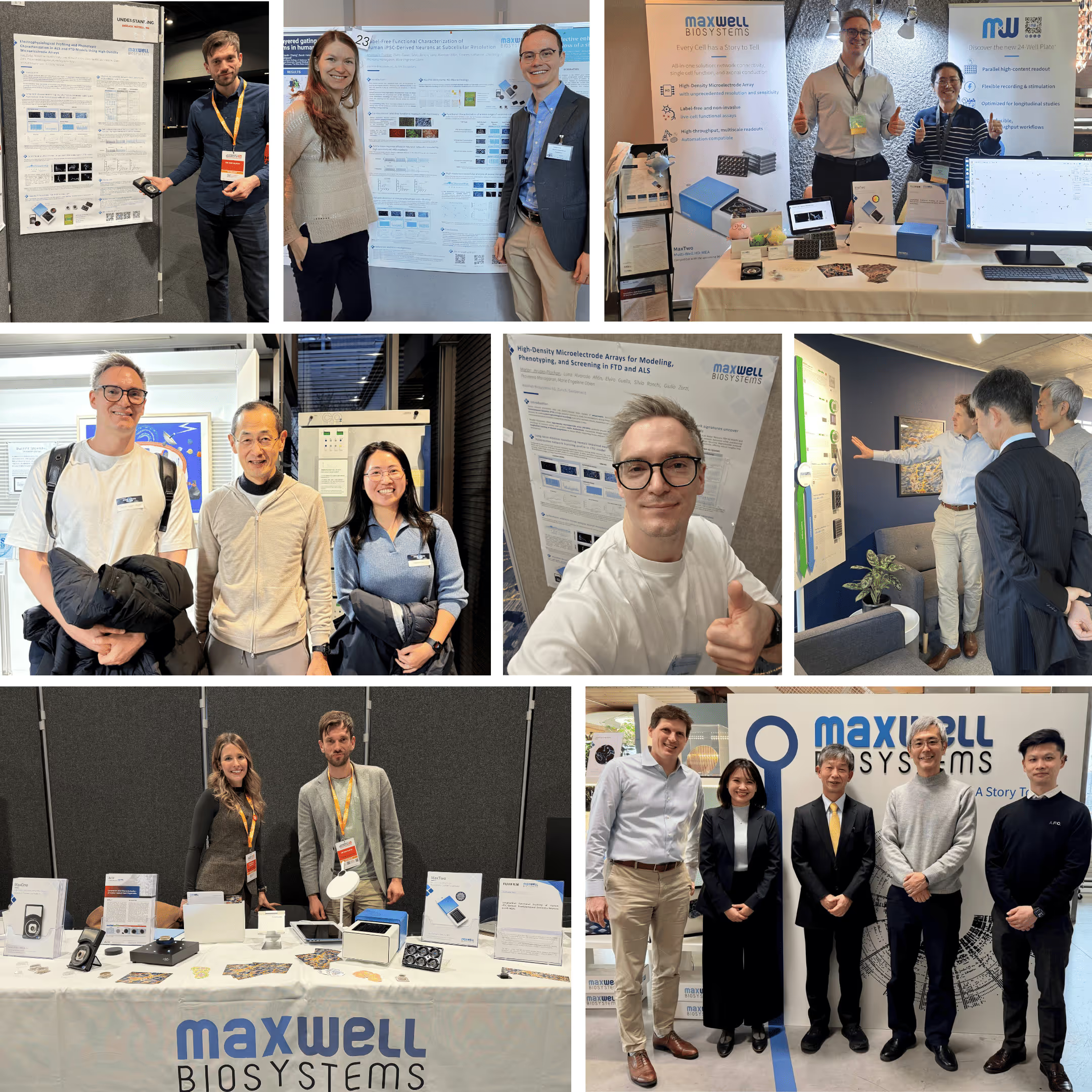
January and February took us across the world. Our team explored dementia mechanisms, sodium channel function, and what matters most in model selection: robustness and clinical relevance. We also discussed how Microphysiological Systems (MPS) are reshaping biological research. MPS enable predictive, human-relevant platforms that can help move discoveries closer to translation. Across every conversation, one theme stood out better reproducibility, clearer functional readouts, and faster progress toward meaningful breakthroughs.
That same spirit continued in Zurich, where we welcomed Prof. Jun Takahashi (CiRA) and team for an in-depth exchange. This year marks the 20th anniversary of Prof. Shinya Yamanaka’s discovery of induced pluripotent stem cells (iPSCs). Prof. Takahashi shared how his team is building on that legacy, including physician-initiated clinical studies using iPSC-derived dopaminergic neurons for Parkinson’s disease.
At MaxWell Biosystems, we are proud to support research that connects scientific discovery to clinical impact. The year is off to a strong start, and we look forward to continuing these conversations at conferences and events throughout 2026.
Related
Resources
Goal-directed learning in cortical organoids

Axonal Eif5a hypusination controls local translation and mitigates defects in FUS-ALS

MyeliMAP: a microfluidic-multielectrode array hybrid platform to investigate oligodendrocyte function in human iPSC derived brain-like networks
Elevated FKBP5 expression associates with epilepsy-related molecular changes and promotes neuronal hyperexcitability
Network Hypoactivity in ALG13-CDG: Disrupted Developmental Pathways and E/I Imbalance as Early Drivers of Neurological Features in CDG
Every Cell Has a Story to Tell
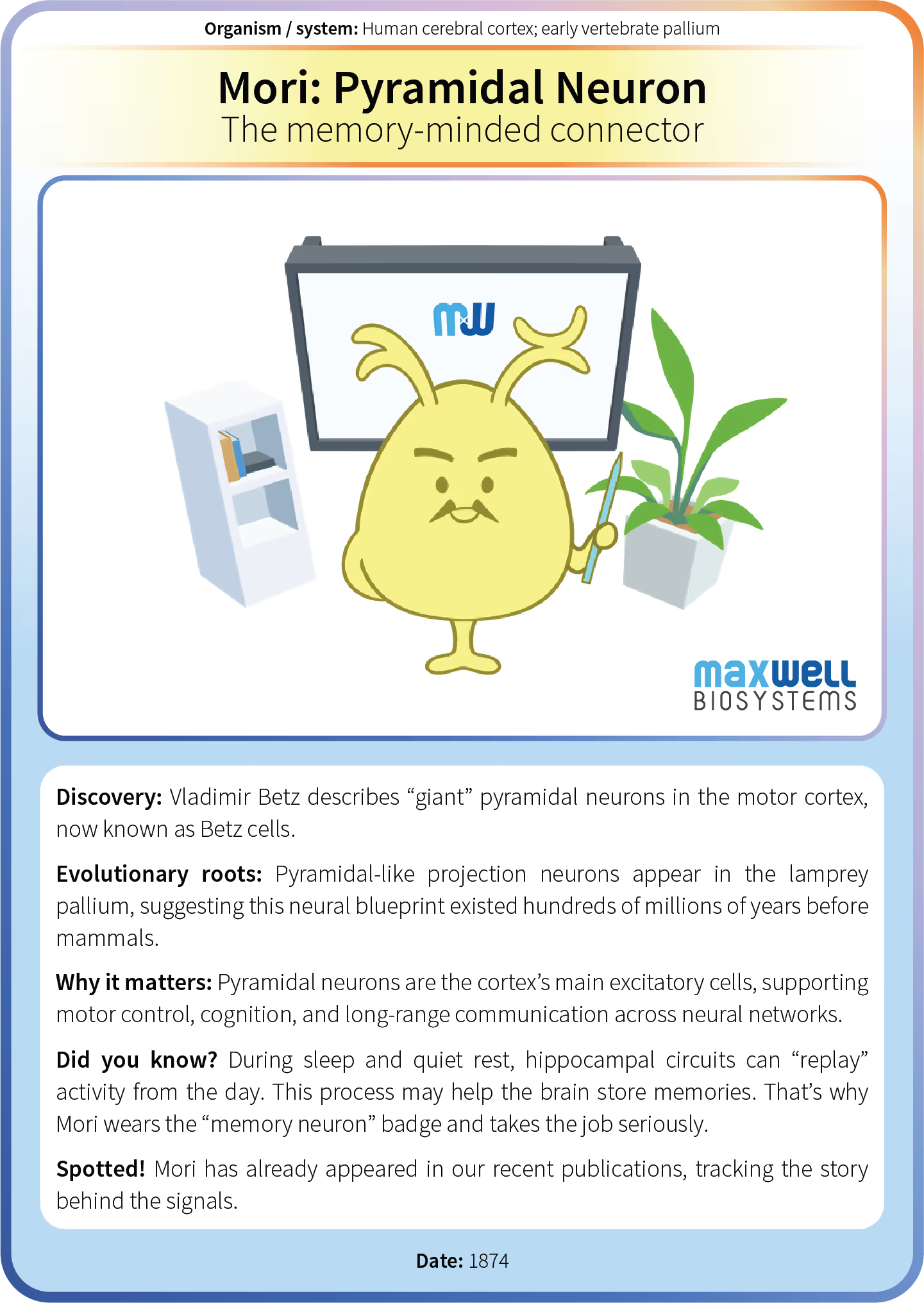
Our resident pyramidal neuron: attentive, precise, and always taking notes.
Mori is a steady presence in the Cell Story group, especially when the discussion turns to decisions and evidence. He listens closely, captures key signals, and helps connect observations into clear, testable ideas. Pen in hand, he is the one quietly noting: “Worth remembering”.
Mori may be plush-sized, but his lineage is ancient, and his role in the brain is anything but small.
Stay tuned for the next story. Who will you meet next?