Disease Modeling and Drug Discovery Symposium

Date & Time

16-18 December, 2026

Location

San Diego, USA

Tags

Disease Modeling
Pharmacology & Toxicology
Neuronal Cell Cultures
Organoids

At MaxWell Biosystems, we are proud to be co-organizers of the ISSCR Symposium on Disease Modeling and Drug Discovery in San Diego, bringing together leading scientists, innovators, and industry experts to explore how stem cell-based models are transforming our understanding of human diseases and accelerating therapeutic discovery.

From advanced organoid systems and complex human in vitro models to bioengineering innovations, AI-driven approaches, and next-generation drug screening platforms, the symposium will highlight the latest scientific advances and their potential to bridge the gap between fundamental research and clinical applications. Particular attention will be given to the development of more predictive, scalable, and human-relevant models that can support the future of drug discovery.

We look forward to bringing the global scientific community together, and contributing to discussions on how innovative technologies and functional approaches can unlock the full potential of stem cell-derived models for disease research and therapeutic development.
Meet the MxW Team

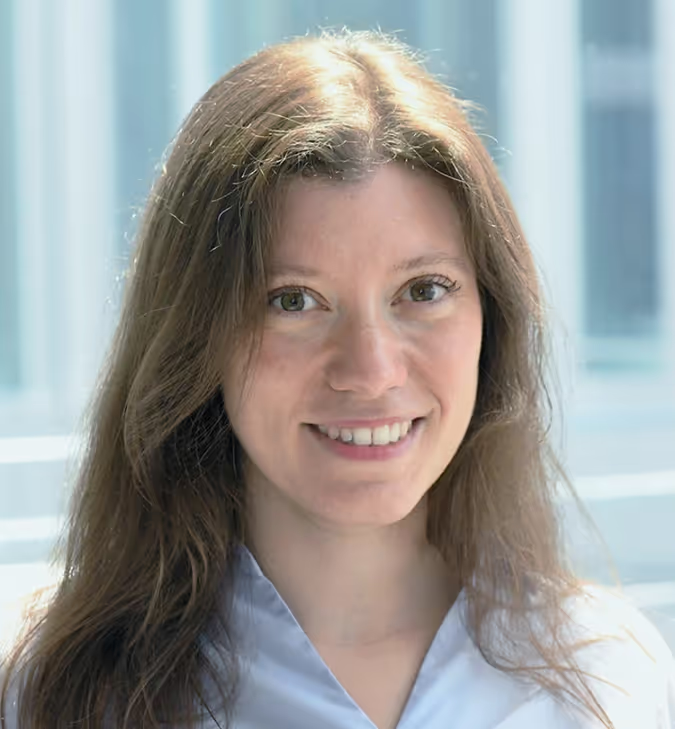
Dr. Marie Obien

CCO | MaxWell Biosystems (Switzerland)

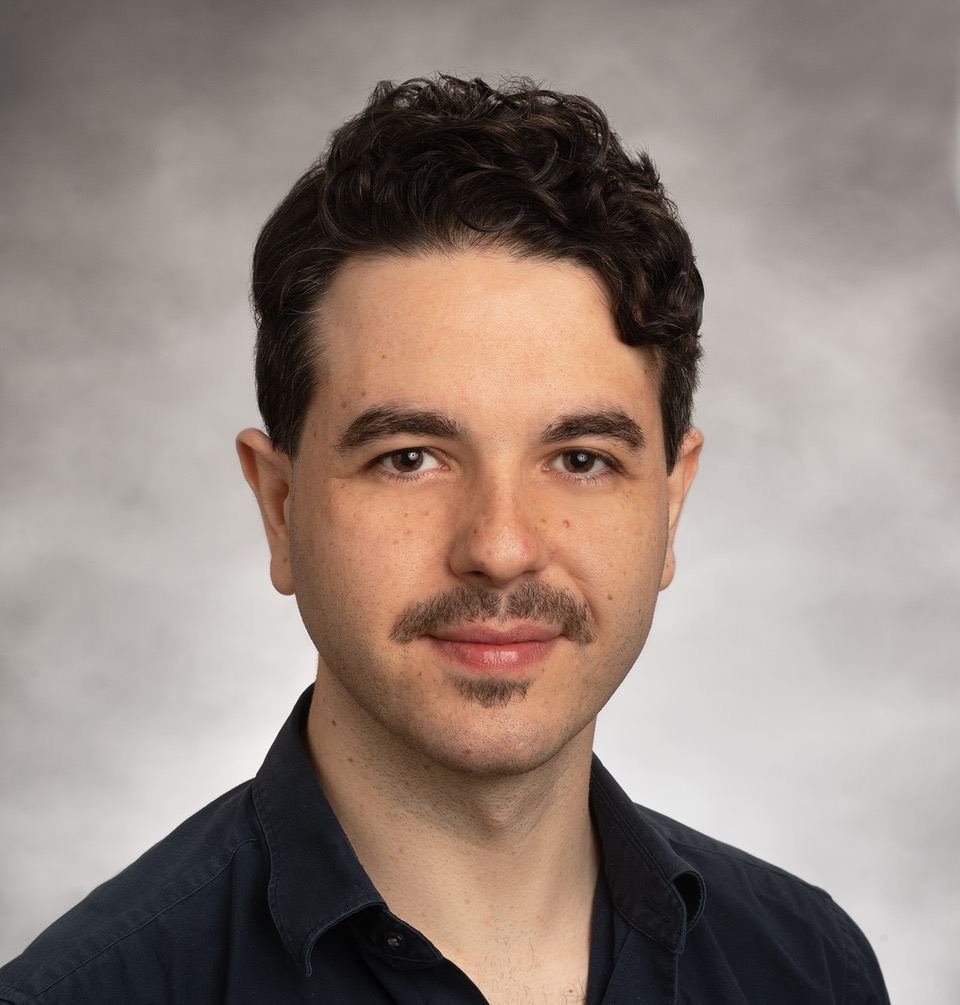
Dr. Marian Hruska-Plochan

Scientific Business Developer | MaxWell Biosystems (Switzerland)

Dr. Silvia Oldani

Head of NAM | MaxWell Biosystems (Switzerland)

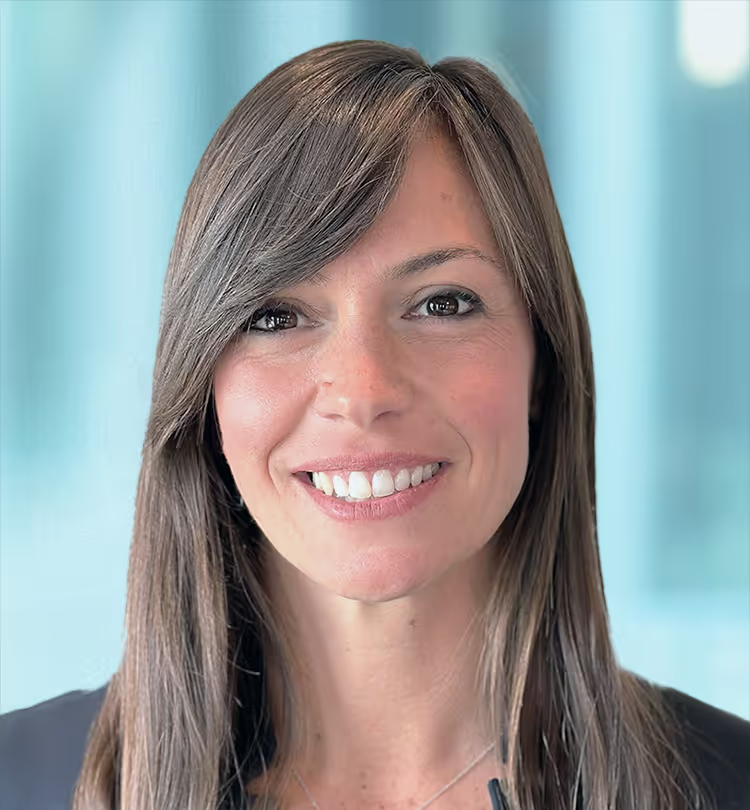
Dr. Francesca Puppo

Field Application Scientist | MaxWell Biosystems (USA)

MxW Booth

Come visit us at our booth to find out how MaxWell Biosystems supports stem cell research with scalable high-content functional electrophysiology, delivering high-resolution insights and quality data you can trust. Stop by to connect with the team, explore what is new, and get a glimpse of what is coming next.

Innovation Showcase

Join us for this Innovation Showcase to explore how next-generation HD-MEA technology and advanced iPSC-derived neural models are opening new possibilities for functional phenotyping, disease modeling, and drug discovery. From high-resolution recordings of neuronal activity at network, single-cell, and subcellular scales to innovative approaches using human neural organoids and assembloids, the session will highlight how combining advanced neural models with functional technologies can deepen our understanding of neurological disorders. Featuring research by Dr. Fikri Birey, the showcase will explore the development of novel human neural assembloid models and their application to investigating genetic epilepsy, demonstrating how these systems can reveal previously inaccessible aspects of disease biology and support the discovery of new therapeutic strategies.
December 16th, 2026 | 10:00 AM - 12:00 PM

Next-generation human neural models: unlocking disease biology through functional insights

Advancing our understanding of neurological disorders and developing effective therapies requires experimental models that better reflect the complexity of the human nervous system. Continuous progress in induced pluripotent stem cell (iPSC) technology has enabled the development of increasingly sophisticated neural models, from 2D neuronal cultures to 3D brain organoids and assembloids. These systems offer new opportunities to investigate disease mechanisms and explore therapeutic strategies, while highlighting the importance of tools that can reliably capture neuronal function across multiple scales.

MaxWell Biosystems’ High-Density Microelectrode Array (HD-MEA) technology enables label-free, high-resolution recordings of neuronal activity, from network dynamics down to single-cell and subcellular signals. With the MaxOne and MaxTwo platforms, researchers can generate robust datasets for functional characterization, disease phenotyping, and compound screening.  

During our Innovation Showcase, Dr. Fikri Birey will present two studies highlighting the potential of human neural assembloids, from developing novel assembloid models to leveraging assembloids to investigate genetic epilepsy. His research will illustrate how these advanced models can uncover previously inaccessible aspects of disease biology and open new therapeutic avenues.

Together, these perspectives will demonstrate how advances in human neural models and functional technologies can deepen our understanding of neurological disorders and accelerate translational discovery.

Dr. Marie Obien
CCO | MaxWell Biosystems (Switzerland)

Bio

Marie Obien is the Chief Commercial Officer (CCO) and a founding member of MaxWell Biosystems. Marie leads the company’s global commercial strategy, sales, business development, marketing, product management, channel partnerships, and customer success. A specialist in electrophysiology, Marie brings strong expertise in microelectrode arrays and complementary techniques, including the gold-standard patch-clamp method. She is the lead author of the most frequently cited review on MEA technology and has played a key role in shaping its adoption in neuroscience and drug discovery. Marie earned her PhD in Electrical Engineering from the Nara Institute of Science and Technology, Japan, and received neuroscience training as a postdoctoral researcher at RIKEN. She also completed the Global Innovation Program in Silicon Valley, focusing on business development and entrepreneurial leadership.

Dr. Fikri Birey
Department of Human Genetics, Emory University School of Medicine, USA

Bio

Fikri Birey, PhD, is an assistant professor in the Department of Human Genetics at Emory University School of Medicine, where he leads a research program focused on uncovering the molecular and cellular mechanisms of human brain development and neurodevelopmental disorders. His lab employs stem cell-derived brain organoids and assembloids to model disease-relevant processes, with particular emphasis on disorders such as autism, epilepsy, and schizophrenia. Birey completed his PhD in genetics at Stony Brook University and postdoctoral research at Stanford University in the laboratory of Sergiu Pasca, MD, where he built the first assembloid platform and applied it to uncover previously inaccessible disease phenotypes and nominate novel therapeutics in Timothy syndrome. He also co-founded the Brain Organoid Hub at Emory, which serves as a central resource for scalable and standardized human brain organoid research. Through this work, Birey aims to bridge basic neurobiology with therapeutic discovery, advancing precision medicine for complex brain disorders.

Poster
Presentations

Dr. Marian Hruska-Plochan

Scientific Business Developer | MaxWell Biosystems (Switzerland)
Human iPSC-derived GRN-FTD Modeling with Multiscale HD-MEA Phenotyping for Disease Signature Discovery

Abstract

Human iPSC-derived neuronal systems enable longitudinal interrogation of disease-associated phenotypes in relevant cell types and provide robust platforms for modelling neurodegenerative disorders. In frontotemporal dementia (FTD), GRN haploinsufficiency caused by heterozygous loss-of-function mutations is characterized by reduced progranulin levels, yet the emergence and progression of functional neuronal abnormalities remain incompletely defined.  

Using an isogenic GRN-FTD model developed by FUJIFILM Cellular Dynamics, we investigated disease-associated functional changes using high-density microelectrode arrays (HD-MEAs). iCell Induced Excitatory Neurons were co-cultured with iCell Astrocytes 2.0 and compared between an Apparently Healthy Normal (AHN) control and a heterozygous GRN R493X line. Cultures were followed from DIV 6 to DIV 50 on MaxTwo 24-well HD-MEA plates, providing 26,400 electrodes per well for repeated, non-invasive and label-free measurements.

Longitudinal ActivityScan and Network recordings revealed a distinct GRN-associated electrophysiological phenotype. Increased neuronal activity emerged early during maturation, with significantly elevated firing rates by DIV 15 (p < 0.01). Network abnormalities developed progressively, including more frequent, higher-amplitude bursts, shorter inter-burst intervals from DIV 25, and >2-fold prolonged burst durations by DIV 50 (p < 0.001), consistent with a hyperexcitable network state. AxonTracking was then applied to map action potential propagation along individual axonal arbors. Despite increased excitability, GRN cultures showed shorter neurites and reduced axonal branching, revealing a divergence between heightened activity at both cellular and network levels and reduced axonal complexity.

Together, these data identify a multiscale functional signature of GRN deficiency that emerges early and evolves during neuronal maturation. Longitudinal HD-MEA phenotyping provides a scalable approach for resolving disease-associated changes across network and axonal levels and for evaluating modulation of these phenotypes in therapeutic studies.

Biography

Dr. Francesca Puppo

Field Application Scientist | MaxWell Biosystems (USA)
Human Midbrain Organoids for Parkinson's Disease-Relevant Functional Phenotyping using HD-MEA

Abstract

Human iPSC-derived midbrain organoids provide a 3D system to model dopaminergic development and functional alterations relevant to Parkinson’s disease (PD) and related synucleinopathies. In these disorders, disease-relevant changes may first emerge as alterations in excitability, network organization, pharmacological responsiveness, or axonal output before overt neurodegeneration. Longitudinal, non-invasive functional readouts are therefore needed to follow maturation and perturbation responses in the same cultures over time.

Here, in collaboration with STEMCELL Technologies, we used multi-well high-density microelectrode arrays (HD-MEAs) to establish a multiscale profiling workflow for commercially available human midbrain organoids. Organoids were plated at approximately 77 days of age onto PEDOT-coated MaxTwo 24-well HD-MEA plates containing 26,400 electrodes per well and monitored for approximately one month.  

ActivityScan recordings showed progressive strengthening of spontaneous activity, including increased firing rate, spike amplitude, and active area, consistent with functional maturation and improved tissue-electrode coupling. Network recordings detected high-frequency synchronized bursting already at early timepoints, a functional signature consistent with dopaminergic midbrain-like circuitry; over maturation, bursting became more organized, with increased burst cadence and enhanced neuronal recruitment. To evaluate pharmacological responsiveness, organoids were acutely challenged with 4-aminopyridine and tetrodotoxin, which respectively enhanced and suppressed spontaneous spiking in a rapid and reproducible manner. MaxWell Biosystems’ unique AxonTracking assay further enabled label-free extraction of soma-to-axon propagation patterns at the organoid-electrode interface, providing a subcellular readout of axonal functionality relevant to PD- and synucleinopathy-associated circuit dysfunction.  

Together, these results support the use of human midbrain organoids on HD-MEAs as a scalable, non-invasive platform for longitudinal disease-relevant phenotyping. By linking maturation, network dynamics, compound responsiveness, and axonal propagation in the same 3D model, this workflow supports PD-relevant disease modelling, longitudinal functional phenotyping, and therapeutic-response studies.

Biography

MaxWell